


As we entered the dog days of the summer holidays—marking off the eleven weeks and four days since my kids last crossed the threshold of their school gate, but hey, who’s counting—I was browsing through five years’ worth of “back to school” essays, finding the same guilt running through almost all of them:
Here’s the thing. We all know we shouldn’t wish away the last days of summer—calculating the remaining time until they’re finally standing awkwardly on the front doorstep, forcing out a smile, for that quintessential “first day back” photo. But you can’t help calendar-watch. In the last few days, I’ve had countless friends message to share their delight in being back on the school run, and having a clean, quiet home to return to. I feel guilty thinking about it, and wrong writing about it. Because the number of summers we’ll spend with our kids is finite, and one day they won’t want to spend them with us.
That essay was four years ago. Each summer that passes brings that thought experiment closer to reality. This summer my daughter, now twelve, was fairly independent: woke up in the morning, binged a few episodes of whatever sitcom she was currently streaming, made herself breakfast, spent some time on a craft project or seeing a friend. My son, at seven, still required some “management oversight” but, with a nudge in the right direction, could often keep himself occupied.
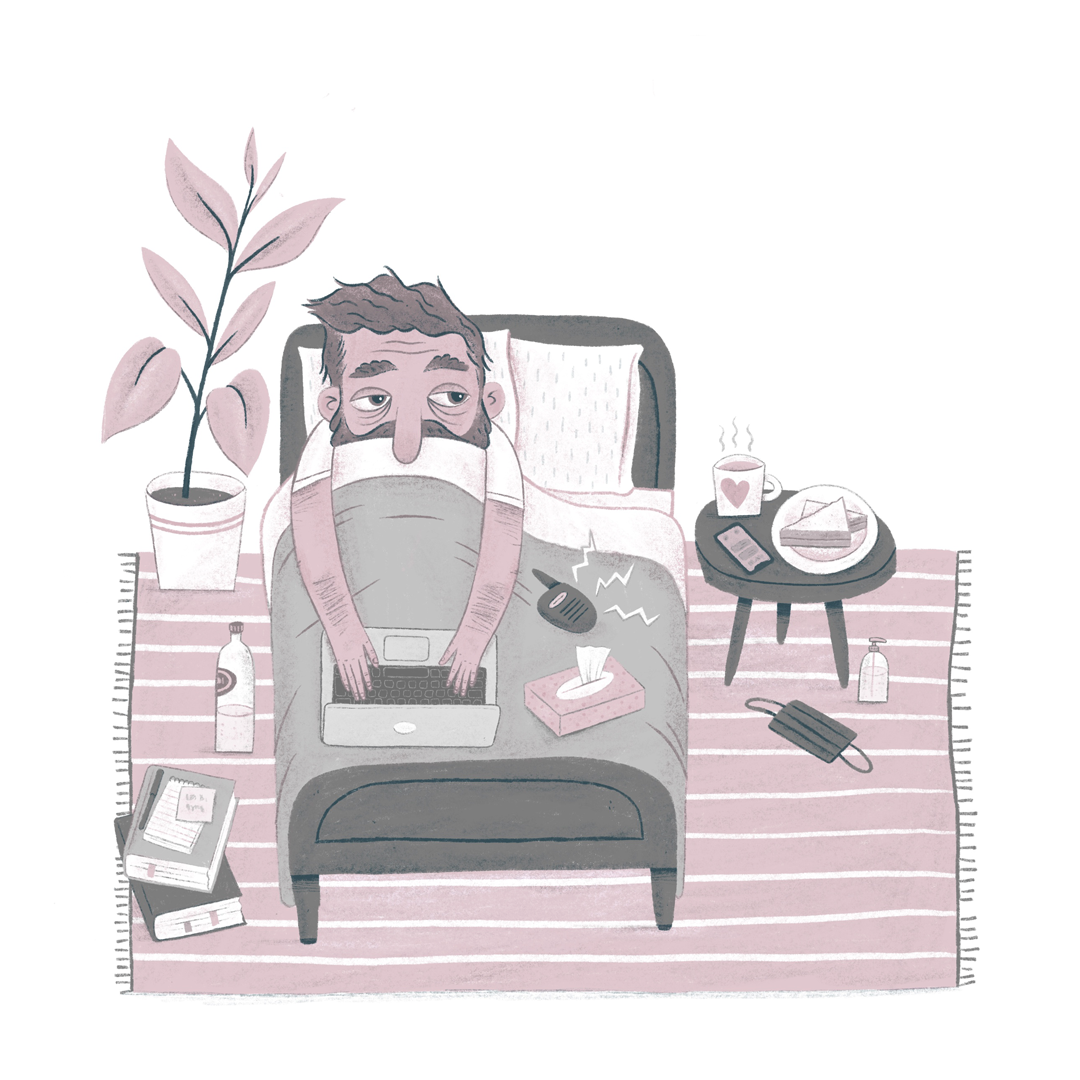
We were mere hours away from the start of the school year—bags being packed, pencil cases being filled—when I started to feel ropey. Sore throat, constant headache, complete exhaustion. I initially assumed man flu, or that my body was preparing itself for the inevitable back-to-school crash. But after two days of worsening symptoms, and on a gentle recommendation from my wife, I dug deep into the bathroom drawer and busted out the old COVID tests, preparing the self-lobotomisation ritual of sticking that dreaded swab up my nostrils.
And, lo and behold, the second-most-terrifying two blue lines on a plastic stick told me I was positive. Cue a week of isolation in a bedroom on my own, and the endless cycle between needing to rest and subsequently feeling guilty about resting when there’s so much to do. As of today, I’m eleven days on from the positive test, feeling about 70% better, with the classic list of lingering symptoms: brain fog, muscle pain, exhaustion after minor exertion.
Longtime readers may recall my ongoing battle with Long COVID, or as they call it here in Spain, COVID persistente. I’m hopeful it won’t come back this time, but right now I am feeling, as I did on the eve of turning 40, “like a battered iPhone from generations past; overused, scuffed, but still loved; desperately calling out for an upgrade; a battery that only charges halfway no matter how long it’s been plugged in, easily exhausted after just a few hours of activity.”
But I’m getting there. I’m back in the chair, writing this newsletter, for one. I’m back on the school run, for another. During this forced downtime, I’ve been reflecting on the responsibility of care all parents sign up to the moment their kids arrive. For decades, it flows one way. Then somewhere in adulthood, it reverses—we watch our own parents get older, and begin to care for them as they lose the ability to care for themselves. Last week showed me this crossover can arrive in glimpses, earlier than expected.
Being sick and being a parent is a shitty combination, like drinking orange juice right after brushing your teeth: what do you mean I have to care for them and myself in the state that I’m in? But as they get older and fend for themselves, it turns out they’ll look out for you too. My daughter came in regularly to ask if I needed anything: water, paracetamol, food. Last Sunday was rough—I ended up collapsing in bed around 6 pm, exhausted after an intense day of parenting, and my son came in to see if I was OK.
“Would you like it if I read you a book?”
I couldn’t think of anything better. He went back into his room, pulled out a few favourites, and sat next to me on the bed, reading children’s stories until I dozed off.
And I have to admit, it felt pretty nice to be looked after by them for a change.
3 things to read this week
“My Son’s Math Homework is Essentially Just Pokémon” by Will Oremus in The Atlantic. On the danger of “edutainment” apps, where the author watches his son playing a school-sanctioned maths app called Prodigy and observes that “in about 10 minutes of gameplay, he spent less than 30 seconds answering math questions.”
“Advice for Artists Whose Parents Want Them to Be Engineers” by Viet Thanh Nguyen in The New York Times. Nguyen, Pulitzer Prize-winning author of The Sympathizer, wonders “What happens when our parents’ definition of happiness makes our happiness impossible?”
“Help! My Kindergarten is All In on AI” by Matt Stieb in Intelligencer. This piece was published in May, before Mamdani announced a one-year moratorium on AI in NYC schools up to eighth grade, but it highlights some of the worries parents are raising as educational institutions integrate LLMs into various aspects of learning.
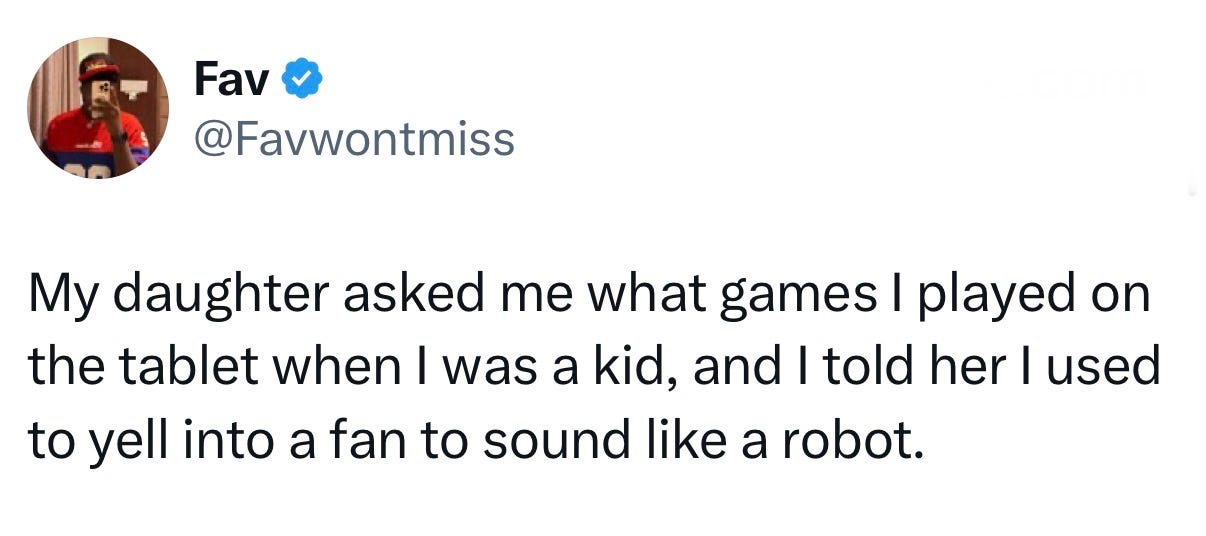
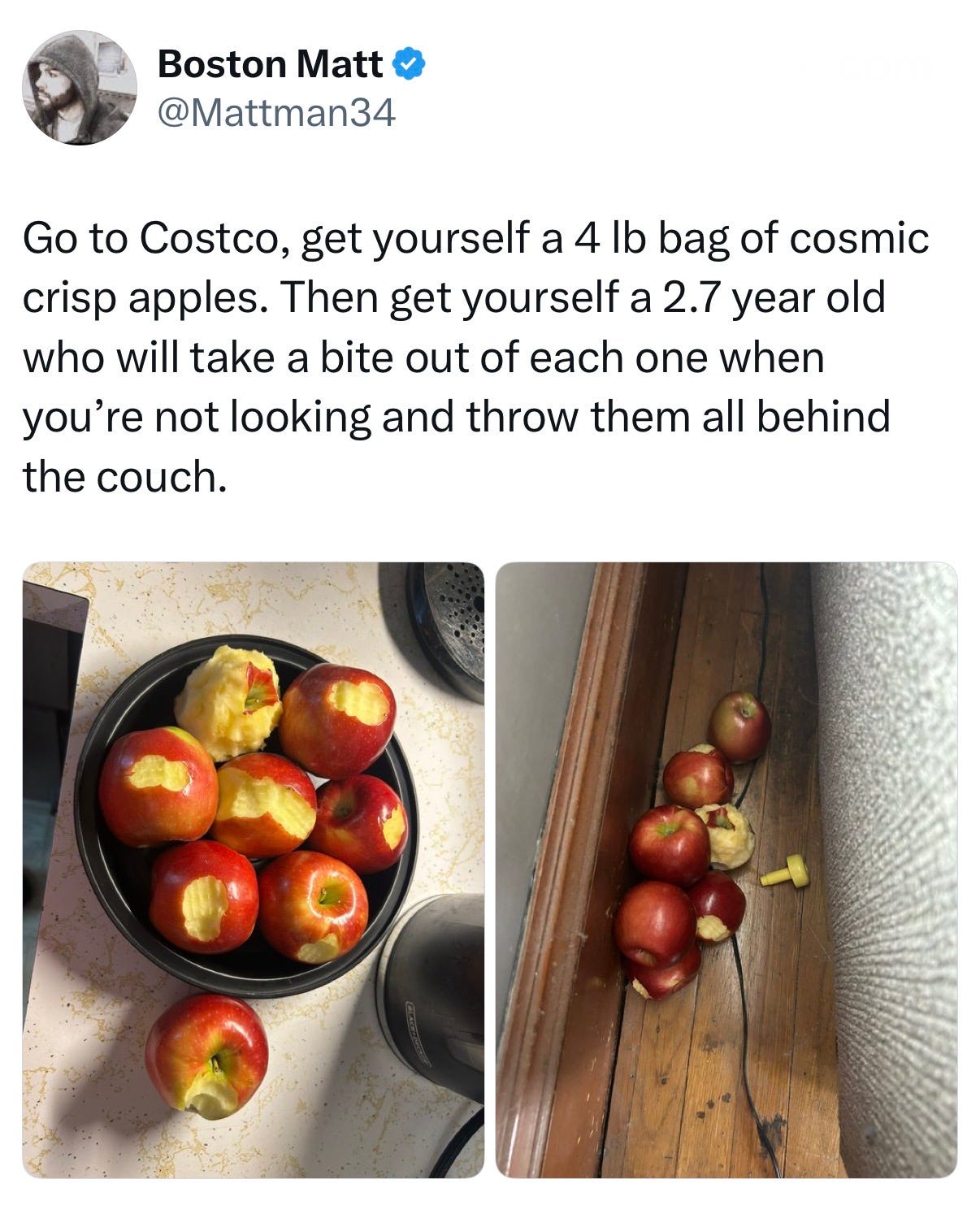
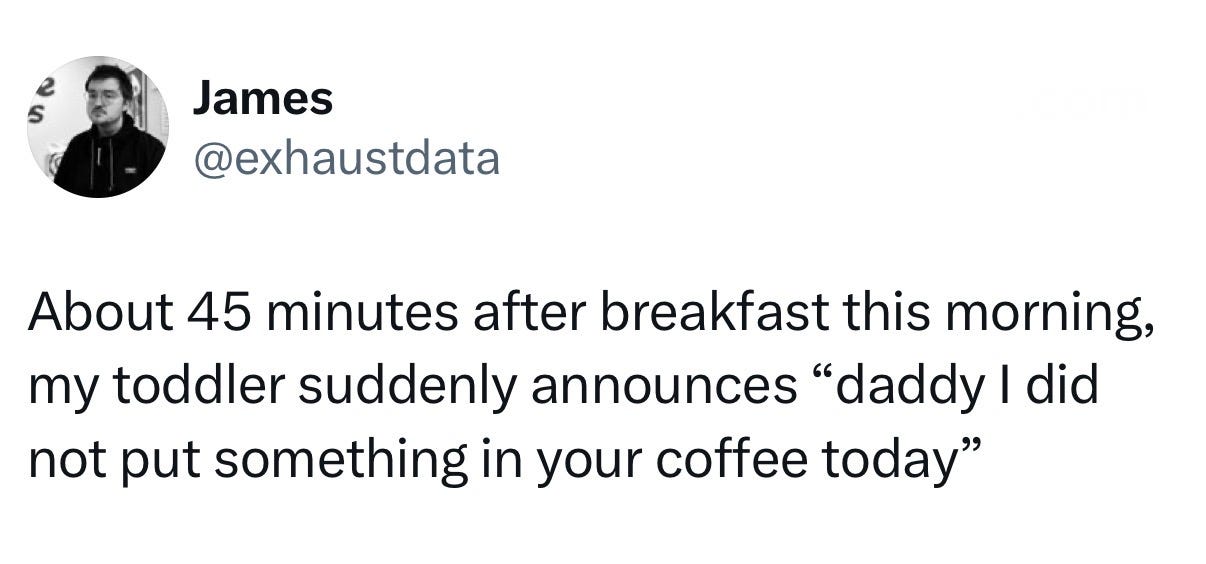
Good Dadvice
Say Hello
It ain’t great being sick again. But at least I got to re-use one of my favourite Tony Johnson illustrations. How did you like this week’s issue? Any typos are COVID’s fault.